
Contact Seller
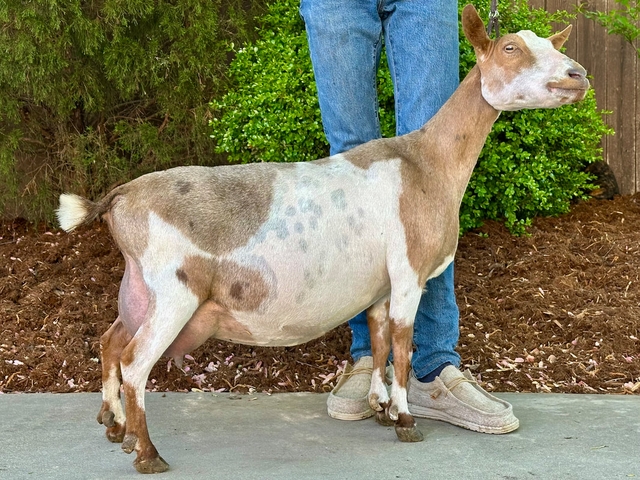
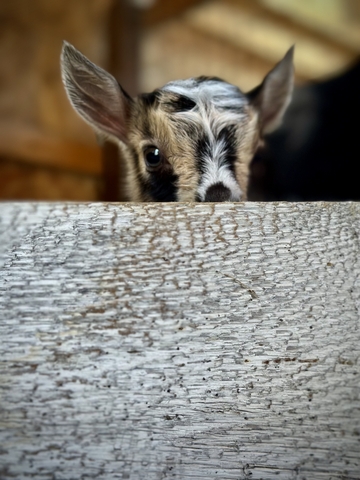
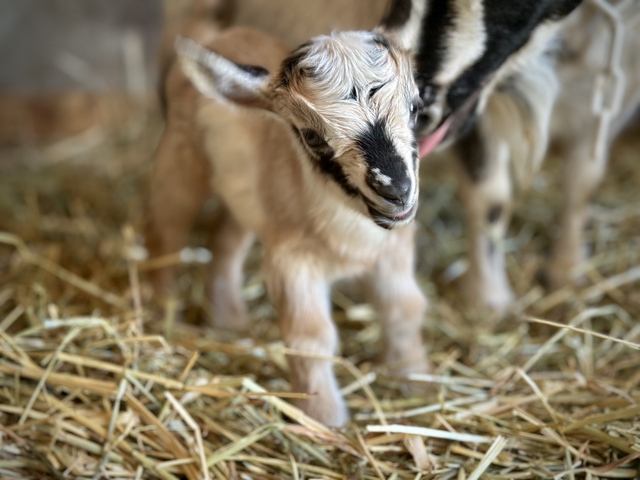
Nigerian Dwarf Dairy Goats

Description
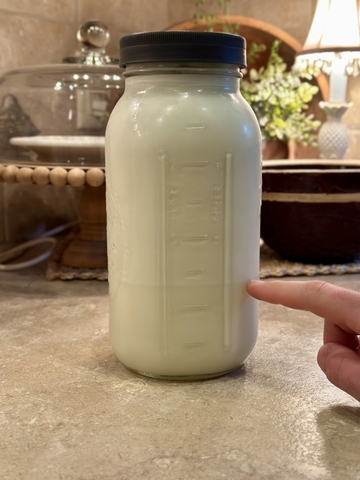
I often share this photo of our goat milk with our visitors who are thinking about getting Nigerian goats for their homestead because it illustrates why their milk is so spectacular...more so than any other goat breed or cow could ever provide!
This is a half-gallon jar of our goat milk from December 2024, after two weeks in the fridge. Can you see the cream line??! The whole jar is two-thirds cream!! And it's sweet with no hint of goat flavor. No other goat breed can compare to the flavor and quality of a Nigerian dwarf goat's milk.
An interesting fact we learned, however, as we started our journey raising dairy goats in 2016, we learned that not all dairy goats are created equal in the milking department. Our first couple of "dairy" goats came from a very well-known breeder in the Midwest, but it wasn't a breeder who actively participated in milk testing; basically, she just bred for fun colors and blue eyes (nothing wrong with that; that was actually a big part of what initially drew us to this breed). They were perfect goats for us to start with; we didn't have a huge investment in high-quality genetics while we figured things out (translate: made lots and lots of mistakes). But the milk these does produced was just okay...nothing special to be sure.
A few years later, I got more interested in milk test programs and genetics and spent many hours researching. We started working with breeders like Southern Grace (and shortly after Sinai Thunder and D & L Meadows), who were actively breeding for excellent dairy goats. We got our first goats from each of them in 2019.
The difference in milk quality after this was night and day! We were amazed. It made me realize how worthwhile it was to invest in the better goats, from breeders who track the milk production and quality. After all, the feed and infrastructure are typically going to cost more than the actual goat; even the price of a very good quality show goat is not going to surpass all the other combined expenses over its lifetime. And those feed and infrastructure expenses are the same regardless of whether it's a great milker or a poor one. For the past several years, we have also been actively tracking our milk results and weeding out the poor producers with low butterfat from our herd. Now, as you can see by the photo, all that hard work and selection is paying us back with liquid gold!
Nowadays, I spend the better part of my time helping new homesteaders start their own small backyard herds that they can look to for an abundance of dairy products. I have helped establish dozens of herds throughout Kansas and surrounding states.
Depending on the time of year, I can sell does in milk, bred does, or a buck with the does you buy. Or you can start with just your does and add a buck the following year. I have a number of different herdsires I rotate with for breeding, so I can usually pretty easily provide an unrelated buck to go with whatever does you buy from me (we have about 50 kids born at our farm every March and April).
My pricing starts at $500 and goes over a $1000 for my best goats. Expect to spend around $600 to get a solid foundation dairy doe or buck from me to begin building your herd with.
All my Nigerian dwarf goats come registered with the American Dairy Goat Association (ADGA) and the American Goat Society (AGS).
My herd is also tested and DISEASE FREE for CL, CAE, and Johne's disease - in case you aren't familiar, these three diseases are actually quite common among goats, but they can be completely debilitating and are all considered incurable. CAE and Johne's will typically lead to a slow and painful death. CL is transferable to humans if you drink the raw milk. I can't recommend highly enough that you buy your goats from breeders who get their herd tested! If you already have goats and want them tested, I can definitely help you with that.
A major part of my focus is also on holistic goat care. In over a decade of raising goats, I have swung from doing it conventionally to being a completely holistic herd and have not looked back. We don't use any chemical intervention or vaccines. Some folks are glad to hear this; others...not so much. Having cared for my herd both ways, my observation is that holistic has been far superior, and my herd has been far less troublesome with health issues. In fact, when I started switching to holistic, my mentor, who raised her dairy goat herd for 25 years naturally, told me that it takes 3-5 generations of good herbal supportive care and no chemical interventions to breed out all the weaknesses created by conventional livestock care. In 2026, we had our first 3rd generation goats born using our holistic methods, and boy was she right! These goats are way hardier than anything we started with.
If you aren't quite ready to jump into goats, I understand! I regularly have families come out for an hour or two of farm time to see how we do things and give you feedback on the best ways we have found to set up your paddocks and shelter, as well as general care info. Be prepared for lots of ideas/info when you come! We can also discuss feeding (what to feed a dairy goat/how much). This is a great way to get your feet wet before jumping in, and to make sure your infrastructure is properly arranged before you bring any goats home and can't keep them contained!...
Whether you just want to come out for an educational visit, or you are ready to get your herd started as soon as possible, please feel free to email me at: landon@cottonwoodhollowhomestead.com or text (620)690-8172 (you can call that number as well, but it's best to text first and let me know who you are, as I rarely answer a number I don't recognize).
You can also visit my website by typing www.cottonwoodhollowhomestead.com into your search engine.
I look forward to visiting with you!
~Landon